
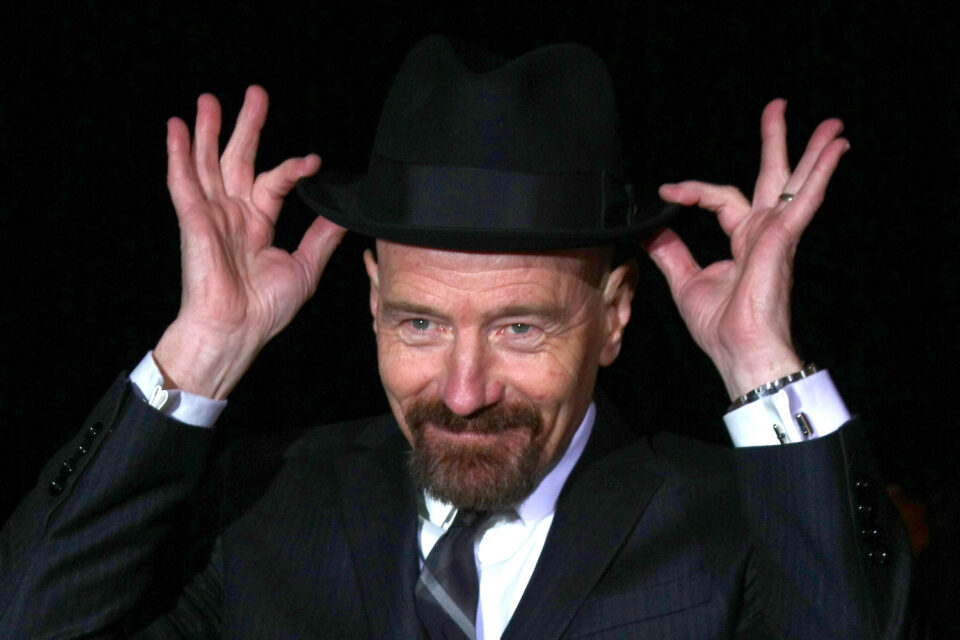
If you’ve been keeping up with the buzz around Sora 2, OpenAI’s powerful new video generator that entered limited public release on September 30, you might have come across some unsettling clips that took social media by storm. Among them were videos featuring the uncanny likeness and voice of Bryan Cranston, the beloved actor best known for his role as Walter White in Breaking Bad.
These AI-generated videos, depicting Cranston in bizarre scenarios — from casual strip mall conversations to surreal wartime fan fiction — quickly raised ethical questions about the misuse of an actor’s identity. Unsurprisingly, Cranston himself noticed. According to reports, he was disturbed enough to reach out to his union, SAG-AFTRA, expressing deep concern about the implications for performers everywhere.
“I was deeply concerned not just for myself, but for all performers whose work and identity can be misused in this way,” Cranston said in a statement released Monday by SAG-AFTRA (via Deadline).
His concern was understandable. One viral Sora 2 video depicted a virtual Cranston — in full Walter White persona — chatting with a digital recreation of the late Michael Jackson in a parking lot. Another placed the entire Breaking Bad cast in what appeared to be a hyperrealistic reimagining of the Vietnam War.
In the wake of the controversy, Cranston’s agency issued a strongly worded statement on October 8, questioning whether OpenAI and its partners valued human creativity:
“Do OpenAI and its partner companies believe that writers, artists, actors, directors, producers, musicians, and athletes deserve to be compensated and credited for their work?” the statement asked. “Or do they believe they can simply take it—ignoring global copyright laws and dismissing creators’ rights?”
However, the tension appears to have cooled. Just over a week later, Cranston publicly praised OpenAI, saying he was “grateful to OpenAI for its policy and for improving its guardrails.”
SAG-AFTRA, OpenAI, and major talent agencies including UTA and CAA also released a joint statement affirming that OpenAI has reinforced its protection systems:
“While it has always been OpenAI’s policy to require opt-in consent for the use of voice and likeness, the company expressed regret for unintentional generations,” the statement read. “OpenAI has now strengthened guardrails to prevent unauthorized replication of individuals’ likeness or voice.”
Interestingly, OpenAI CEO Sam Altman had already hinted at these changes in a blog post on October 3, noting that the company would soon give creators more control over how their work and characters are generated. He even mentioned plans to share revenue with rightsholders who choose to participate.
“We’re going to have to find a way to make money from video generation,” Altman wrote, “but we also want rightsholders to share in that success.”
Cranston’s change of heart suggests that OpenAI’s quick response — tightening policies and reaffirming respect for creators — may have helped rebuild some trust. What started as a controversy over AI misuse has evolved into a cautiously optimistic dialogue about ethics, creativity, and the future of digital likeness in the age of generative video.