
As Tom Petty famously observed, “the waiting is the hardest part.” It’s a line about patience, frustration, and unmet expectations—and it turns out to apply just as neatly to life in a modern smart home. If a recently active Reddit thread is any indication, Google Home users are growing increasingly restless as they wait for Google’s next big smart home overhaul: Gemini for Home, a Gemini-powered replacement for the aging Google Assistant that remains locked behind a limited early-access rollout.
For many users, the anticipation has crossed the line from mild curiosity into outright impatience. Gemini for Home has been teased as a long-overdue reboot of Google’s voice assistant ecosystem, one that would finally move it out of the awkward, stagnated phase it’s occupied in recent years. And with access still trickling out slowly, some users have decided they’re done waiting.
Instead of politely lining up for an invite, Google Home power users are attempting to hack—loosely speaking—their way into Gemini for Home, hoping to unlock the upgraded assistant on their devices ahead of schedule. These aren’t deep system exploits or firmware jailbreaks. In fact, the barrier to entry is almost laughably low: open a browser, type in a URL, and hope Google left a door unlocked.
The workaround spreading through Reddit traces back to user u/Siciliano777, who claims that enteringgooglehome://assistant/voice/setup
directly into Chrome’s address bar triggers a hidden setup screen normally reserved for early-access participants. From there, some users report being able to enroll in the Gemini for Home preview program and activate Gemini as the primary voice assistant on their Google Home devices.
Naturally, the results have been inconsistent. A scan through the thread reveals a familiar split typical of unofficial hacks. Some users say the method worked perfectly, granting them access to Gemini for Home in full. Others report partial success—unlocking only new Gemini-branded voice options, but not the underlying conversational model itself. For a few unlucky participants, nothing happened at all.
In other words: classic Reddit experimentation. Your mileage may vary.
But the real story isn’t whether this trick works reliably. It’s the collective motivation behind it. The sheer number of people willing to poke around hidden URLs speaks volumes about how the Google Home user base feels right now.
On the surface, this eagerness could be framed as good news for Google. Users clearly want Gemini for Home. There’s genuine interest in a smarter, more capable assistant backed by Google’s most advanced AI models. In isolation, that’s a win.
In context, though, it feels less like excitement and more like users scrambling for a lifeline.
Google Assistant, once positioned as the most promising mainstream voice assistant, has spent the past few years in visible decline. Features have stagnated or disappeared, routines break unpredictably, and even basic commands—like controlling lights or speakers—can feel unreliable. Longtime users have grown accustomed to working around the assistant rather than relying on it, carefully phrasing commands to avoid confusion.
That’s why Gemini for Home isn’t just being marketed as an upgrade. It’s being treated, by users at least, as a potential escape hatch.
Google, for its part, has made big promises. Gemini for Home isn’t just about flashy AI tricks or conversational flair. Yes, it’s supposed to enable headline features like searching Nest camera footage with natural-language queries. But more importantly, Google claims it will finally fulfill the original vision of Google Assistant: contextual understanding, compound commands, and reliable follow-through.
Not sci-fi ambition. Just things users were promised years ago—like telling your smart home to turn off every light except one and actually having it work the first time.
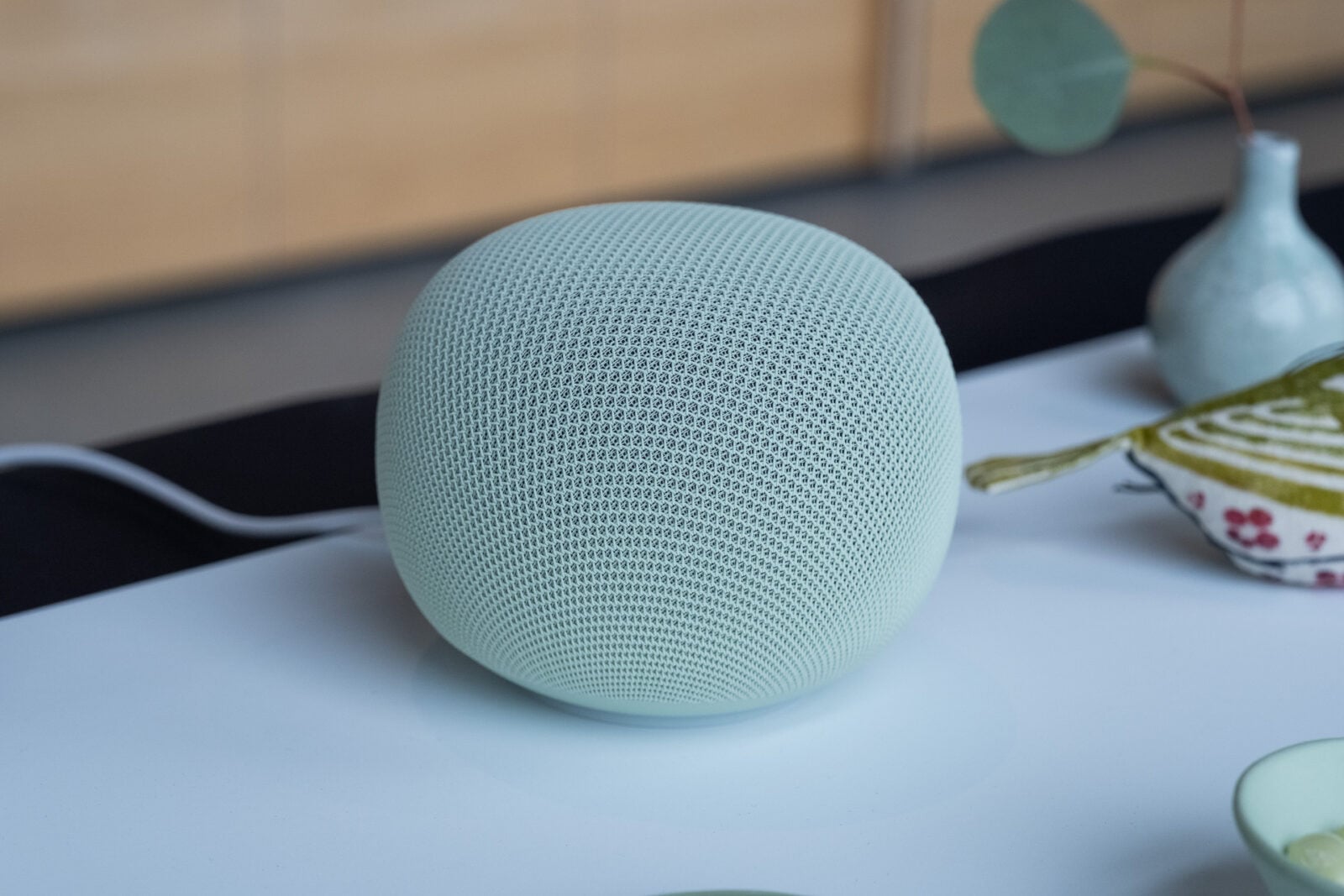
Whether Gemini for Home delivers on that promise remains an open question. At this stage, access is limited, hands-on impressions are scarce, and most demonstrations have taken place in controlled, curated environments. I haven’t personally tested the Reddit-discovered workaround, nor have I had meaningful real-world time with Gemini for Home in my own home. My exposure so far consists of a brief demo on one of Google’s newest smart speakers—impressive, yes, but hardly enough to judge how the assistant performs during the chaos of everyday use.
Which leaves most Google Home users stuck in the same place: waiting. Waiting for invites. Waiting for fixes. Waiting for an assistant that finally lives up to its own hype.
For now, that wait is punctuated by Reddit threads, half-hidden URLs, and the faint hope that a strange trick might unlock a smarter home sooner rather than later. Either way, Tom Petty was right. When it comes to smart homes—and Google’s long-promised AI future—the waiting really is the hardest part.