
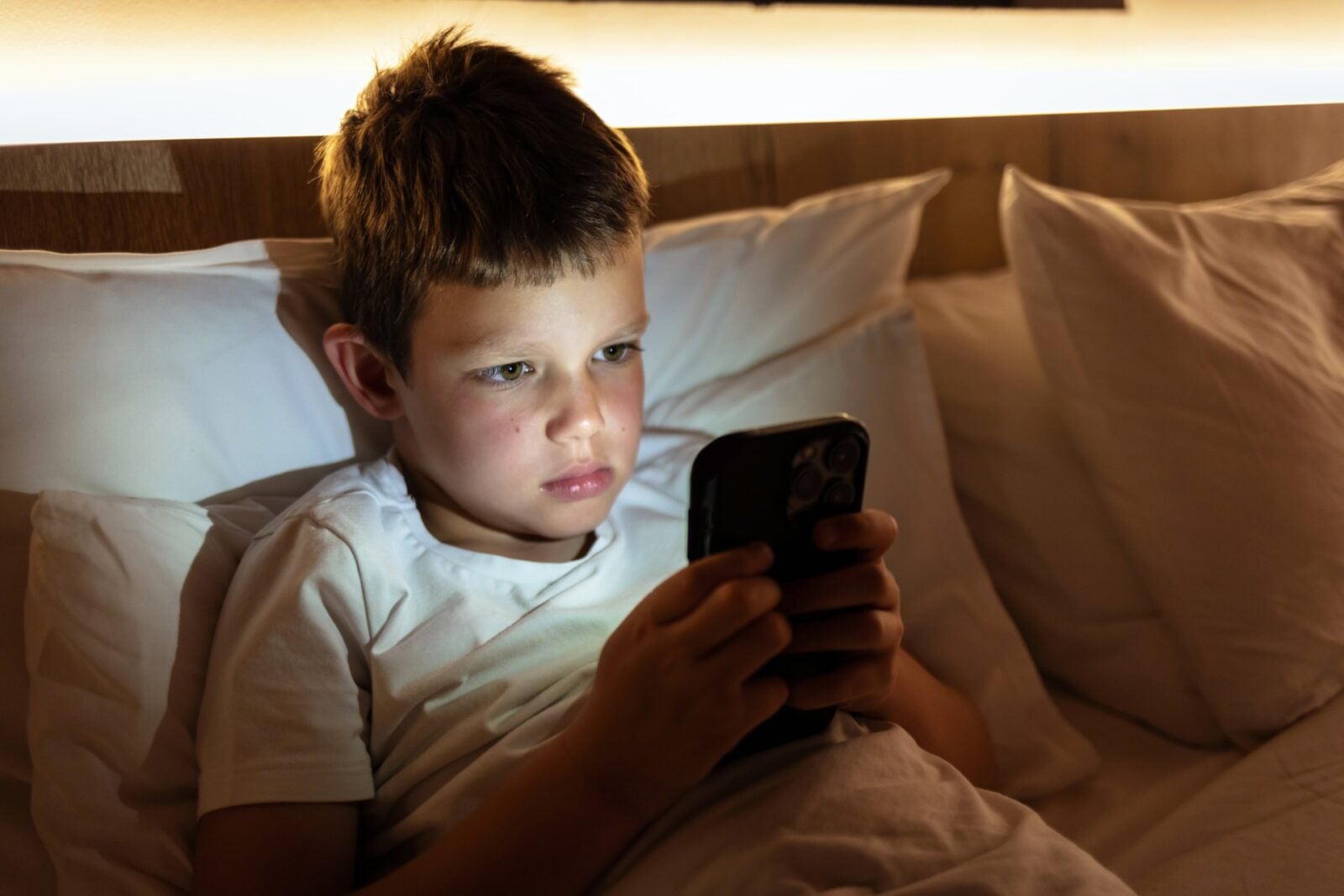
A sweeping regulatory shift is gaining momentum across Europe as governments increasingly move toward banning or heavily restricting social media access for minors, particularly children under the age of 16. What was once a niche concern raised by child psychologists and digital rights advocates has now evolved into a continent-wide political movement, with leaders from across the ideological spectrum warning that social media platforms pose serious and growing risks to children’s mental health, cognitive development, and overall well-being.
The Czech Republic has emerged as one of the latest countries to seriously consider such a measure. Czech Prime Minister Andrej Babiš recently expressed strong support for an under-16 social media ban, citing expert advice that portrays social media as “terribly harmful to children.” According to Babiš, specialists he consulted warned that constant exposure to algorithm-driven platforms can negatively affect emotional regulation, attention spans, and social development during formative years. These remarks signal a notable shift in tone from cautious regulation to outright prohibition.
The Czech government appears poised to move quickly. Deputy Prime Minister Karel Havlíček confirmed in a televised interview on CNN Prima News that officials are actively exploring the feasibility of introducing a ban within the current year. Havlíček emphasized that the issue is no longer theoretical, describing it as an urgent matter of public health, child safety, and national responsibility in the digital age.
Across the continent, similar conversations are unfolding at an accelerating pace. Earlier this week, Spanish Prime Minister Pedro Sánchez announced Spain’s intention to ban children under 16 from accessing social media platforms. Framing the proposal as a protective measure rather than a punitive one, Sánchez described the internet as a “digital wild west” where children are routinely exposed to harmful content, predatory behavior, and manipulative algorithms. Speaking at an international forum in Dubai, Sánchez stressed that governments can no longer afford to leave children unprotected in online environments designed primarily to maximize engagement and profit.
In the same speech, Sánchez revealed that Spain has joined a new multinational initiative dubbed the “coalition of the digitally willing,” an alliance formed with five other European countries committed to advancing stricter digital regulations. While the specific identities of all five partner nations have not been formally disclosed, the announcement underscores a growing consensus among European governments that unilateral action may no longer be sufficient — and that coordinated, cross-border regulation is necessary to address the global reach of social media platforms. In reality, far more than five European countries have already signaled openness to limiting or banning social media use among children and adolescents.
That list continues to expand. Greece and Turkey both announced this week that they are moving closer to implementing bans or firm age-based restrictions, reflecting shared concerns over online safety and youth mental health. France has already taken concrete legislative steps: last week, the lower chamber of the French parliament voted in favor of a bill that would prohibit children under the age of 15 from using social media platforms. The proposed legislation now advances to the French Senate, where it is expected to spark intense debate but also faces growing public support.
Germany has also added its voice to the chorus. Digital Minister Karsten Wildberger stated that he sees “a lot of merit” in banning social media for young users and described age restrictions as “more than justified” given the mounting evidence of harm. In Austria, government officials are considering a ban targeting children under 14, with the possibility that it could be implemented before the start of the next school year. Ireland, meanwhile, is pursuing a phased strategy. The country’s minister for media has indicated that online child safety policies — including a potential under-16 ban — would be rolled out incrementally to allow time for enforcement mechanisms and public adaptation.
Beyond Western Europe, similar initiatives are gaining traction. Poland is reportedly drafting legislation that would bar under-15s from social media platforms, while Portugal is debating a proposal that could allow limited access only with parental consent. In the United Kingdom, the House of Lords voted last month in favor of a social media ban for under-16s, reflecting growing political pressure to strengthen child protection laws. Norway is developing a comparable hard age limit, and Denmark has been openly discussing the possibility of a ban since at least November.
At the broader institutional level, the European Union itself is weighing whether to introduce a bloc-wide ban or standardized age restriction that would apply to all 27 member states. Such a move would represent one of the most significant digital regulatory actions in EU history. The Dutch government has reportedly expressed support for EU-wide measures, adding further momentum to the push for coordinated regulation.
The spark that helped ignite this global regulatory wave came from outside Europe. Australia made headlines worldwide with a historic decision to ban social media use for children under the age of 16. Beginning in mid-December, Australian minors were barred from accessing a wide range of platforms, including TikTok, Facebook, Instagram, Threads, X, Snapchat, YouTube, Reddit, Kick, and Twitch. The scope and decisiveness of the Australian ban sent shockwaves through governments and tech companies alike, reframing what had previously been seen as politically unrealistic.
One of the intellectual foundations of Australia’s policy was The Anxious Generation, a widely discussed book by American social psychologist Jonathan Haidt. Haidt argues that the omnipresence of social media during the critical developmental stages of puberty has fundamentally reshaped the brains of those born after 1995. According to his research, constant digital stimulation and social comparison have contributed to rising rates of anxiety, depression, and emotional fragility among young people.
A growing body of scientific research reinforces these claims. Numerous studies have linked excessive social media use among children and teenagers to heightened feelings of loneliness, depression, anxiety, attention deficit disorders, body image dissatisfaction, and chronic sleep deprivation. Regulators are also increasingly alarmed by the prevalence of cyberbullying, online harassment, and exposure to harmful or age-inappropriate content — all of which can have lasting psychological consequences.
Medical institutions are adding their voices to the debate. Last month, the American Academy of Pediatrics released a report warning that prolonged digital media use may be associated with language delays, anger and behavioral issues, weakened cognitive performance, and even an increased risk of developing type 2 diabetes. The organization urged governments and technology companies to implement strict guardrails, including prohibitions on manipulative design features such as autoplay, personalized user profiling, and algorithm-driven recommendation systems that encourage compulsive use.
Predictably, the global technology industry — particularly American companies that dominate the social media market — has reacted with concern and resistance. Meta, which owns Instagram, Facebook, and Threads, has repeatedly asked Australian regulators to reconsider their ban, arguing that age verification and parental controls would be more appropriate solutions. At the same time, Meta has announced plans to make its platforms even more engaging through the use of large language model–enhanced recommendation systems. CEO Mark Zuckerberg has stated that “soon” there will be “an AI that understands you” and tailors content feeds accordingly — remarks that have further fueled fears about increased addiction and behavioral manipulation.
Political tensions surrounding the issue have escalated sharply. Following Sánchez’s speech — in which he also proposed holding tech companies legally accountable for hateful and illegal content, as well as for algorithmic manipulation — Elon Musk responded on X by branding the Spanish prime minister a “true fascist totalitarian” and accusing him of being a “tyrant and a traitor to the people of Spain.” The exchange highlighted the increasingly volatile intersection of technology, politics, and free speech.
As governments around the world introduce regulations that directly challenge the business models of American tech giants, attention is now turning to how the United States may respond. Under a Trump administration, American technology companies have frequently been treated as strategic national assets, with Trump repeatedly framing European digital regulation as “overseas extortion.” While some trade pressures have led to looser regulations in certain cases, they have also hardened European resolve, pushing several governments to further distance themselves from American tech influence.
Taken together, these developments suggest that the debate over children and social media is no longer confined to academic journals or advocacy groups. It has become a defining global policy issue — one that sits at the intersection of public health, technological power, national sovereignty, and the future of childhood itself.