
Not long ago, the architects of the artificial intelligence boom were selling the public a glowing, almost utopian vision of the future. Do you remember that era? The glossy conferences, the polished keynote speeches, the carefully curated panels filled with venture capitalists and tech evangelists assuring us that AI would usher in an age of unprecedented progress. We were told that this emerging technology would revolutionize medicine, eradicate disease, unlock the mysteries of the universe, and perhaps even enable humanity to communicate with extraterrestrial intelligence. The narrative was aspirational, almost spiritual: AI as a benevolent force, a tool that would elevate civilization and solve humanity’s most stubborn problems.
Those promises now feel distant and strangely surreal, like half-remembered dreams fading after a long night. In hindsight, they resemble the hazy recollections of a collective snake-oil hangover—memories blurred by marketing hype and techno-optimism. As reality settles in, more communities are beginning to reassess what the rapid expansion of artificial intelligence infrastructure actually means for their environment, their economies, and their futures. Across the United States, local governments and grassroots organizers are increasingly pushing back against the construction of massive AI data centers, recognizing them not as abstract engines of innovation but as enormous industrial facilities that consume staggering amounts of electricity, water, land, and public resources.
Yet even as resistance grows in some places, the AI industry itself is accelerating forward at full speed. If anything, the past week has been one of the most revealing periods yet—one of those rare moments when the carefully maintained public relations mask slips. Fallout continues from the controversial partnership between OpenAI and the Pentagon, while enthusiastic reports circulate about how AI tools are being used to “supercharge” military and intelligence operations. What once was marketed as a humanitarian technology is increasingly appearing as a strategic instrument of geopolitical power.
For observers who still haven’t connected the broader pattern—how major technology firms intersect with the expanding machinery of surveillance, militarization, and authoritarian governance—a revealing detail recently surfaced in reporting highlighted by TechCrunch and originally published by Bloomberg.
The story describes a phenomenon that sounds less like a Silicon Valley innovation and more like a scene from a gritty frontier drama. In remote parts of the American countryside, companies are constructing what are known as “man camps”—temporary, self-contained housing compounds designed to accommodate large groups of transient workers tasked with building massive industrial projects. These camps first became widely associated with the oil and gas industry, where companies created isolated, amenity-filled settlements to house crews working long shifts in extraction zones far from established towns.
Over time, the model has migrated to other resource-intensive sectors. Crypto mining operations adopted it, and now the rapidly expanding AI industry appears to be following the same template. These camps function almost like miniature, pop-up company towns, built quickly in sparsely populated regions where vast data-center complexes are under construction.
Many of the workers who populate these camps come from military backgrounds, and the environment is often intentionally designed to mirror aspects of a Forward Operating Base—complete with regimented schedules, utilitarian infrastructure, and a culture built around long shifts and isolation. But unlike the historical company towns that attempted to reclaim wages through company-owned stores and local currency, modern man camps emphasize perks meant to keep workers comfortable and compliant. Bloomberg describes a setting where free steak dinners, recreational lounges, and even simulated golf facilities are provided to contractors returning from exhausting days of construction in harsh desert climates.
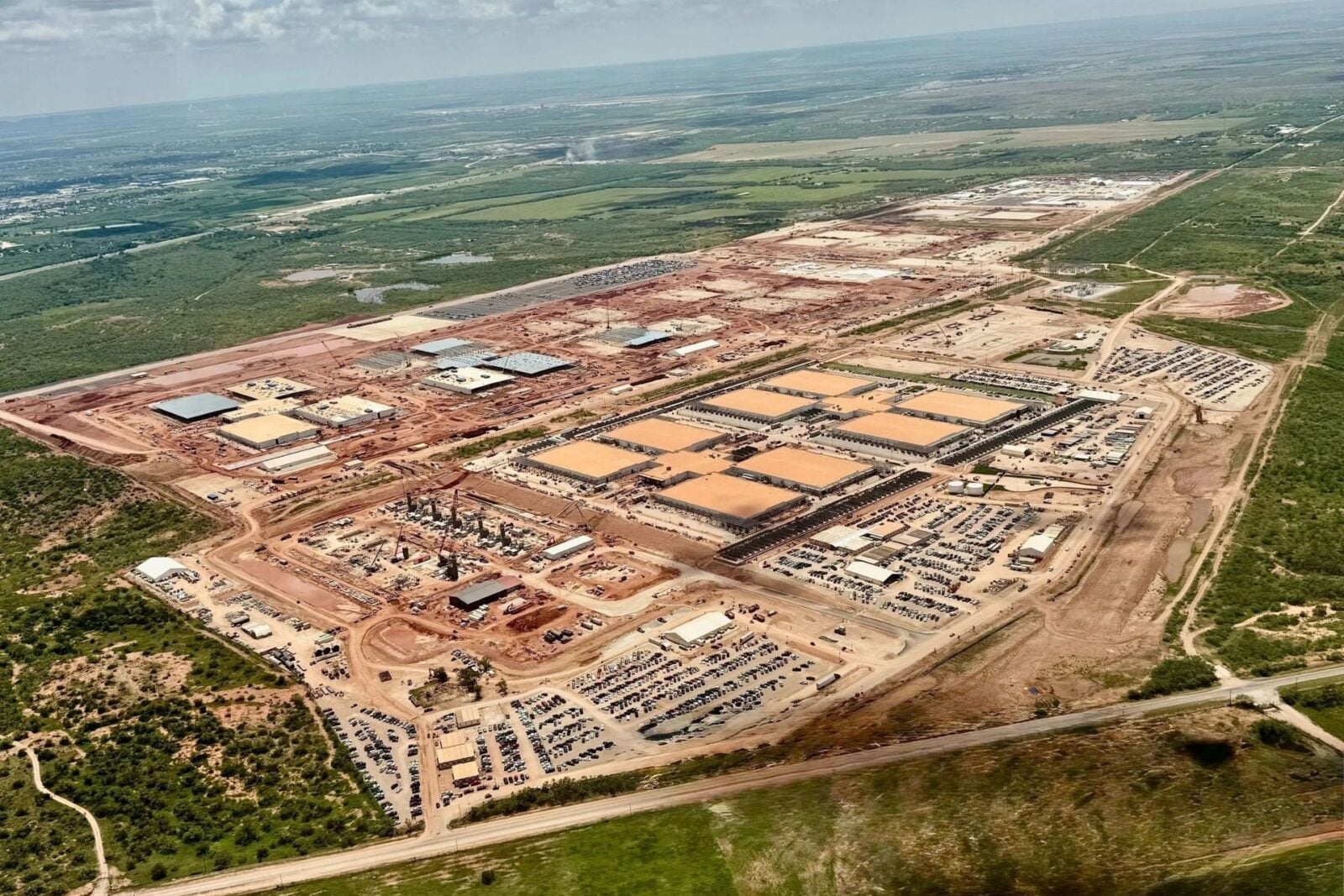
One such camp highlighted in the reporting is being built in Dickens County, Texas, to accommodate more than one thousand workers responsible for constructing a colossal 1.6-gigawatt data center. The temporary settlement itself carries a staggering price tag: roughly $132 million in government contracts awarded to a company called Target Hospitality.
At first glance, Target Hospitality presents itself as a logistics and workforce-housing provider. But a deeper look reveals a more troubling connection. The same company has also been involved in operating facilities tied to the U.S. immigration detention system. Among them is the Dilley Immigration Processing Center, located south of San Antonio. The center reopened after Target Hospitality entered into a five-year contract with the private prison corporation CoreCivic in March 2025.
Since reopening, the facility has quickly drawn controversy and criticism. Reports have emerged describing outbreaks of measles, desperate emergency calls concerning children struggling to breathe, and allegations that detainees—including minors—were served food contaminated with worms. These incidents represent only a small portion of the complaints and investigations surrounding the center during its first year back in operation.
Meanwhile, the financial incentives driving the expansion of AI infrastructure continue to grow at an almost unimaginable scale. Major technology companies are expected to allocate roughly $700 billion toward expanding global data-processing capacity in 2026 alone. Industry executives openly acknowledge that this wave of investment is only the beginning of an even larger build-out.
Given that scale, it is not difficult to understand why companies like Target Hospitality are eager to reposition themselves as essential partners in the AI boom. Moving from controversial government detention contracts into the rapidly growing data-center economy offers both new revenue streams and a chance to distance themselves from the reputational damage associated with immigration enforcement.
For executives like Target Hospitality’s chief commercial officer Troy Schrenk, the opportunity appears enormous. He has reportedly described the surge in data-center construction as “the largest, most actionable pipeline” he has ever encountered—a lucrative horizon stretching far into the future.
The unanswered question, however, is whether that future will unfold as smoothly as industry leaders expect. As more communities become aware of the environmental costs, political implications, and corporate entanglements surrounding AI infrastructure, public opposition is beginning to intensify. Residents in many regions are already making it clear that they do not want massive data centers—or the institutions associated with immigration detention—embedded in their communities.
Whether companies like Target Hospitality can continue riding this new wave of contracts without encountering serious resistance remains uncertain. But one thing is increasingly clear: the glossy promises that once accompanied the rise of artificial intelligence are giving way to a far more complicated—and far more contested—reality.