
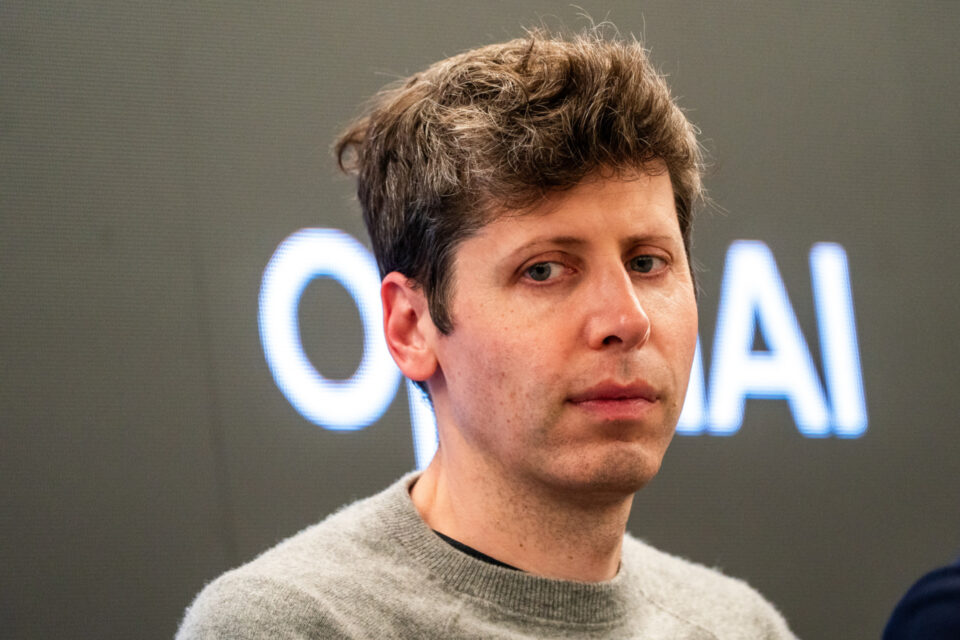
OpenAI’s DevDay 2025 wasn’t just another tech showcase — it was a declaration of intent. The company that has already redefined digital creativity and productivity with ChatGPT is now steering firmly toward what it calls vibe coding — an emerging philosophy of creating software through intuition, conversation, and context rather than rigid code.
At the packed event in San Francisco, OpenAI revealed that ChatGPT now boasts over 800 million weekly active users, a staggering milestone that underscores how deeply integrated the AI assistant has become in daily life. Riding on that momentum, OpenAI unveiled a range of new tools designed to empower developers and creators alike. The headline announcement: users can now build and integrate apps directly inside ChatGPT — with the promise of eventually supporting “mature experiences” once a full age verification system is in place.
But that’s just the beginning. OpenAI also introduced a powerful new developer toolkit aimed at helping users design, test, and deploy their own AI agents, marking a bold leap toward transforming ChatGPT from a conversational platform into a complete, interactive development environment.
ChatGPT Becomes a Playground for Developers
One of the most exciting new additions is the Apps SDK (Software Development Kit) — OpenAI’s framework that lets developers seamlessly integrate supported third-party applications into ChatGPT. During a live demo, OpenAI showed ChatGPT working in harmony with Zillow to generate a live, interactive map of homes for sale in Pittsburgh. Users could not only view listings but also ask follow-up questions, refine search criteria, and explore real-time data — all without ever leaving the chat interface.
This fusion of AI and interactivity represents OpenAI’s larger vision: a world where ChatGPT acts as both your assistant and your workspace — a dynamic hub where coding feels more like collaboration than computation.
The Apps SDK is available immediately across all plans — Free, Go, Plus, and Pro — with initial support for major partners such as Booking.com, Canva, Coursera, Figma, Expedia, Spotify, and Zillow. Future integrations are already in motion for DoorDash, OpenTable, Target, and Uber, making it increasingly clear that ChatGPT is positioning itself as the ultimate productivity platform for both casual users and professional developers.
Currently, users can preview and experiment with apps, but later this year, OpenAI plans to roll out a full app submission and discovery system, complete with a directory where developers can share — and eventually monetize — their own vibe-coded creations.
“Mature Experiences” and the Road to Safer AI
One of the more eyebrow-raising revelations from DevDay was OpenAI’s mention of upcoming “mature (18+) experiences”. According to the company’s developer guidelines, current apps must be suitable for users 13 and older, but OpenAI hinted that it will soon expand to adult-only content — once robust age verification and parental controls are fully implemented.
This shift comes shortly after OpenAI introduced age verification tools designed to protect minors and ensure appropriate use, following public scrutiny and a wrongful death lawsuit involving a teen user. The company emphasized that it’s committed to balancing innovation with safety — ensuring that its evolving ecosystem remains both powerful and responsible.
Introducing AgentKit: Build Your Own AI Workforce
OpenAI also debuted AgentKit, a new API (Application Programming Interface) that allows developers — and even non-developers — to create their own autonomous AI agents. Think of it as the next evolution of ChatGPT’s “custom GPTs,” but with far greater autonomy and creative potential.
AgentKit expands on OpenAI’s earlier Agent framework, which enabled AI models to browse the web and execute complex tasks. Now, with the introduction of Agent Builder, users can visually design how their agent behaves, interacts, and learns — no advanced coding required. OpenAI CEO Sam Altman described it as “Canva for AI agents” — a tool where functionality is crafted through natural language and visual design, rather than traditional programming syntax.
The move cements OpenAI’s push toward vibe coding — where intuition, creativity, and conversation replace technical barriers. Developers, designers, and even hobbyists can now shape intelligent systems simply by describing how they should “feel” and “act,” making AI creation more democratic than ever before.
The Bigger Picture
OpenAI’s DevDay 2025 signals a shift in the very nature of how humans interact with technology. ChatGPT is no longer just a chatbot — it’s becoming a creative operating system, a digital canvas where software, imagination, and human intent blend seamlessly.
Whether it’s designing AI-powered workflows, automating everyday tasks, or building virtual companions with personality and purpose, OpenAI’s newest offerings are paving the way for a more immersive, personalized, and — yes — vibe-driven future.
One thing’s clear: with vibe coding as its new north star, OpenAI isn’t just building tools — it’s rewriting the rules of creation itself.