
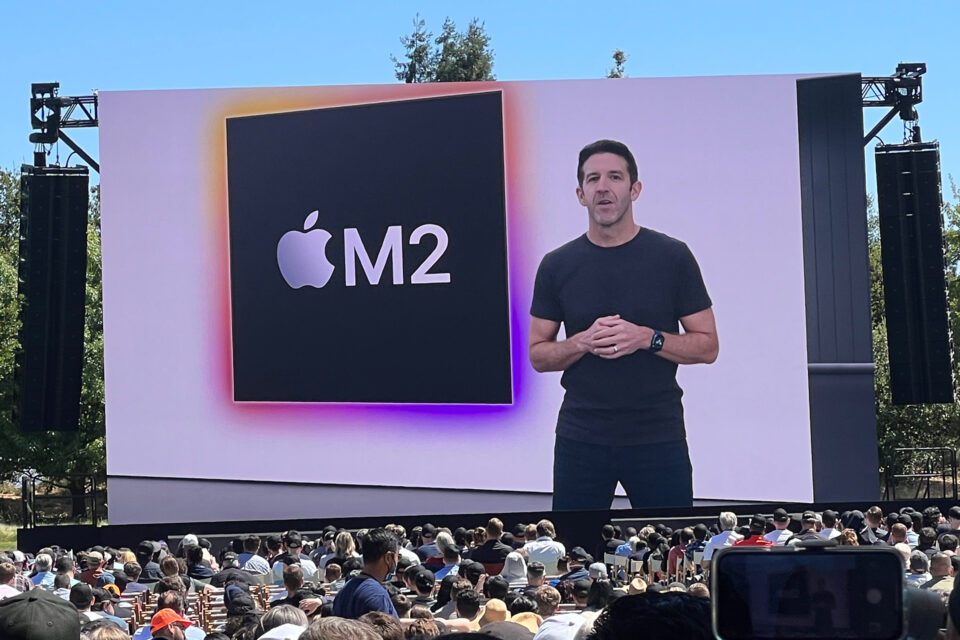
It’s increasingly starting to look like Apple may be quietly preparing its next generation of leadership—and one familiar name is suddenly getting a very serious audition. Tim Cook’s eventual successor appears to be stepping into a role that feels less like a routine reshuffle and more like a trial run for the biggest job in Cupertino. According to a recent report from Bloomberg, John Ternus, Apple’s longtime head of hardware engineering, is seeing his responsibilities significantly broadened. In addition to overseeing hardware, Ternus will now take on design-related duties within his organization, a move that immediately raised eyebrows across the industry.
That expansion of authority is widely being interpreted as another strong signal that Ternus could be positioning himself as the leading contender to take over as Apple’s CEO when Cook ultimately decides to step aside. While Apple has made no public announcements about succession planning—as is typical for the famously tight-lipped company—this kind of internal shift rarely happens by accident, especially at the senior executive level.
Per Bloomberg’s reporting, Ternus was first asked to begin overseeing aspects of hardware design toward the end of last year. The timing is notable, as it places him in a unique position within Apple’s executive structure: overseeing both the physical construction of products and elements of how they are conceptualized and refined. In effect, the company appears to be giving Ternus an opportunity to demonstrate not just operational competence, but vision—testing how he balances execution, aesthetics, and long-term strategy. It also allows Apple to gauge how consumers and critics respond to changes that may subtly reflect his influence. (Notably, the much-maligned “liquid glass” interface redesign does not appear to fall under his responsibility—so if he manages to steer Apple away from similar missteps in the future, it would certainly bolster his case.)
This isn’t the first time Ternus has been floated as a potential heir apparent. His profile has been steadily rising for years, and earlier this month, the New York Times published an in-depth look at his career and growing influence within Apple. Ternus joined the company in 2001 and has since built a reputation as a steady, detail-oriented executive with a strong grasp of both engineering realities and business priorities.
One anecdote highlighted by the Times neatly encapsulates his approach. Ternus once advocated for limiting a photo-enhancing laser feature to higher-end iPhone models rather than rolling it out across the entire lineup. His reasoning was simple and pragmatic: power users and enthusiasts would gladly pay extra for advanced features, while the average consumer likely wouldn’t notice—or care. It’s the kind of cost-conscious, market-aware thinking that aligns closely with Apple’s modern strategy.
Taken together, these traits suggest that a Ternus-led Apple would likely look more like the Cook era than a return to the Steve Jobs years. He appears less driven by sweeping, visionary leaps and more focused on consistency, iteration, and dependable product cycles. One former Apple employee summed it up bluntly in comments to the Times: “If you want to make an iPhone every year, Ternus is your guy.” That assessment, while complimentary in one sense, may not sit well with critics who feel Apple’s design philosophy has grown conservative and that the company has lost some of the magic that defined the Jobs era—when bold new categories like the iPhone and iPad reshaped entire industries.
Bloomberg also cautions against assuming that Ternus’ expanded role guarantees him the CEO title. Apple’s history offers plenty of reminders that proximity to design power doesn’t automatically translate into the top job. Jony Ive, perhaps the most influential design executive in the company’s history, held enormous sway for years before ultimately departing in 2019, reportedly frustrated by Apple’s growing emphasis on operational efficiency and profit-driven repetition over experimental innovation. More recently, Jeff Williams occupied a similarly powerful position, but his retirement last year—and his closeness in age to Cook—effectively removed him from succession consideration.
So while nothing is set in stone, the direction is hard to ignore. Whether John Ternus ultimately ascends to Apple’s highest office remains an open question, but all signs suggest he’s being given a rare and valuable opportunity to prove himself. If nothing else, he appears to be first in line—getting the clearest shot yet at showing Apple’s board that he’s ready to take the reins.