
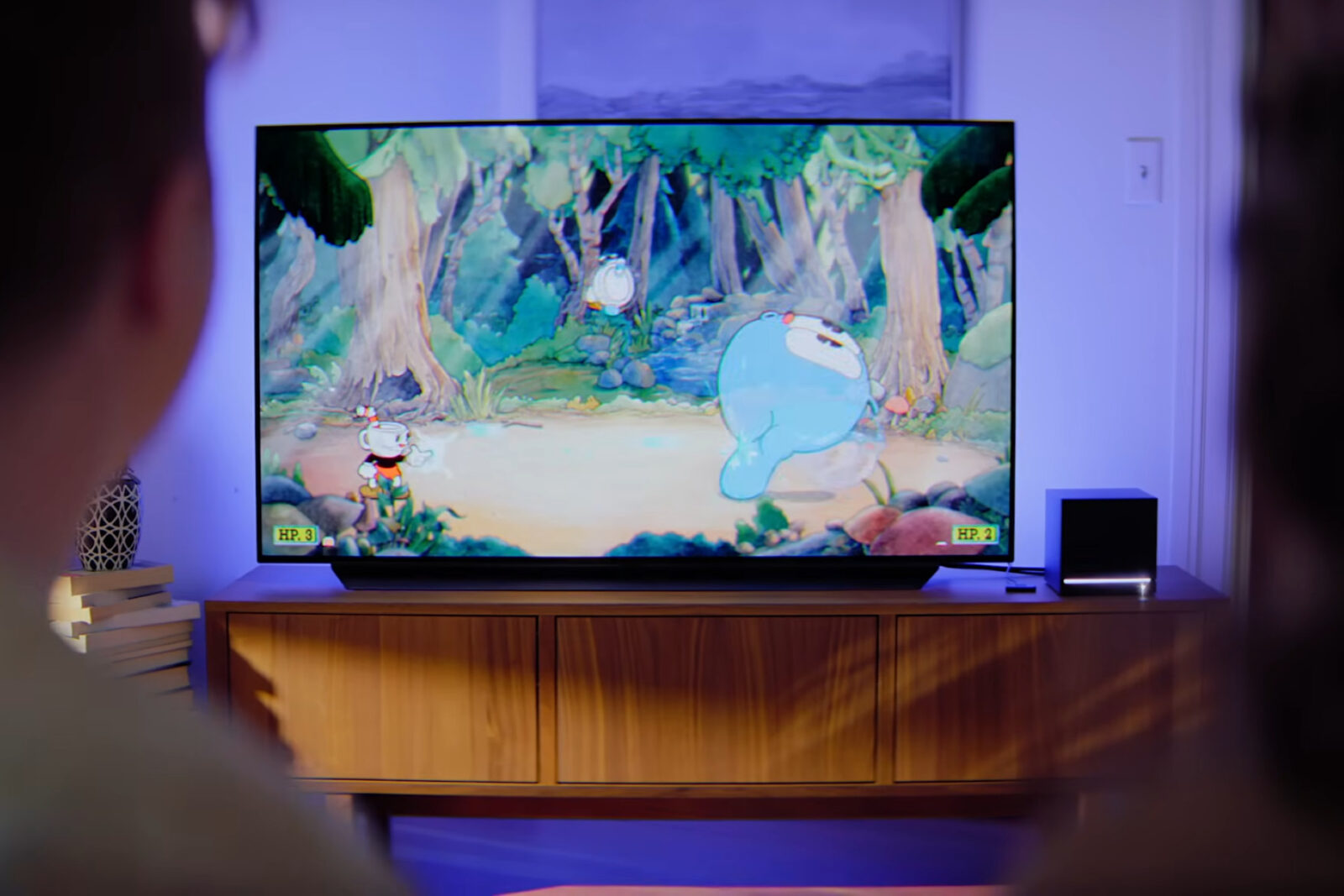
Picture a small, unassuming box—no bigger than your hand—packed tightly with the essential organs of a gaming PC: a modern CPU, fast RAM, a speedy SSD, and a carefully engineered cooling system designed to keep everything running smoothly even under intense load. This compact machine is built to play demanding games effortlessly. It’s also built around a fixed hardware standard, giving developers a clear target to optimize for.
Today, that description fits Valve’s newly announced Steam Machine. But rewind five years, and it could’ve easily described Microsoft’s Xbox. Times have changed—and now Valve is stepping into the space Xbox once dominated.
Valve Understands the Console Advantage
After years of experimenting—with Steam Machines, Steam Boxes, and most recently the smash-hit Steam Deck—Valve has learned exactly what modern gamers want. The new Steam Machine is aimed squarely at players who can’t justify a high-end PC but still want access to their entire Steam library from the comfort of a couch.
Valve says it’s bringing the best parts of the Steam Deck to this console-sized machine:
- SteamOS, its clean and simple Linux-based interface
- Instant sleep/wake, allowing players to jump back into games immediately
- Optimized controls and navigation without fighting with Windows pop-ups, bugs, and background tasks
In many ways, Valve is offering the streamlined console experience Microsoft once led the industry with—but with the freedom and library of PC gaming.
A Flood of Valve Hardware Is Coming
Leaker Brad Lynch has compared the coming months to Valve’s 2015 “Steam Universe” reveal at GDC, when the company unveiled multiple hardware concepts at once.
This time, we may see:
- the Deckard VR headset (wireless successor to the Valve Index),
- a new Steam Controller,
- and the Fremont Steam Machine console—all targeting early 2026.
It’s the strongest hardware push Valve has made in a decade.
Why Gamers Might Leave Windows Behind
Microsoft is trying to merge Xbox and PC, but navigating modern Windows means fighting through:
- Copilot AI pop-ups
- Background processes
- Bugs and performance inconsistencies
For many gamers, SteamOS is becoming the more appealing route. And with an active Linux developer community, players can already:
- run Epic Games titles through Proton or Heroic Launcher
- emulate nearly every retro console
- sideload and mod with ease
The only major thing missing is native Xbox Game Pass—and that could change if Microsoft ever decides to meet players where they are.
Hardware Specs Matter Less Than the Experience
Valve’s new Steam Machine measures roughly 6 × 6 inches, nearly half the size of the Xbox Series X, yet Digital Foundry says it performs just below a PlayStation 5.
It uses:
- Zen 4 CPUs
- RDNA 3 GPUs
Not AMD’s newest architecture, but far more modern than the Zen 2–based PS5 and Xbox Series X.
But performance alone isn’t the key.
What truly matters is seamless gaming—no tweaking, no driver issues, no guesswork. Console gamers want to turn on a system and start playing immediately.
Valve plans to introduce:
- Steam Machine Verified badges
- Steam Frame VR compatibility
- Automatic compatibility for all Steam Deck Verified titles
If Valve sets a minimum performance target—say, 60 fps at 4K for verified titles—it could reshape expectations for console simplicity.
Even Phil Spencer, Microsoft’s gaming chief, congratulated Valve and hinted that Xbox might release something similar in the future. But by the time Microsoft does, Valve may already dominate living-room PC gaming.
Why Developers Will Love It
PC gaming traditionally suffers from fragmentation—thousands of hardware combinations, endless possibilities for bugs. A Steam Machine gives developers a fixed platform to polish for.
Studios like Owlcat (Warhammer 40K: Rogue Trader) and Larian (Baldur’s Gate 3) are already optimizing specifically for Steam Deck, proving developers are willing to work with Valve’s hardware ecosystem.
Meanwhile, Windows handhelds like the ROG Ally X still force players into individual graphics tweaks—even with “optimized” badges.
Now the Big Question: Price
Valve says its new Steam Machine, the Steam Frame VR headset, and the Steam Controller will launch in early 2026.
The highest-tier Steam Deck OLED costs $650, and Valve claims the Steam Machine is six times more powerful. So will it cost $700? $900? More?
That depends on how aggressively Valve subsidizes the hardware. After all, Valve’s true revenue comes from the 30% cut of every Steam game sold. If the Steam Machine helps users buy more Steam games, Valve may price it aggressively to move units.
The Bigger Pictur
In a year where the Switch 2 is selling incredibly well thanks to its simplicity and exclusives, Valve has a major opportunity. The company controls the biggest storefront in all of PC gaming—and if it can pull players from their desks into the living room, Windows may struggle to compete on the couch.
The Steam Machine doesn’t just challenge Xbox.
It challenges the entire idea of what a gaming console should be.